
Masonry repair in commercial buildings is made easier by planning, ensuring quality materials are used, and the right contractors are hired to do the job. This blog will cover the major issues in masonry repairs, with a look at strategies for making certain that the work will last.
Maintenance and pre-emptive troubleshooting are always the best ways to avoid masonry issues down the road, but that isn’t always possible. Masonry problems will develop as the structure ages. When tackling the masonry of older buildings, it is helpful to be aware of some of the more common masonry repair issues that may arise.
What Is Commercial Masonry Repair
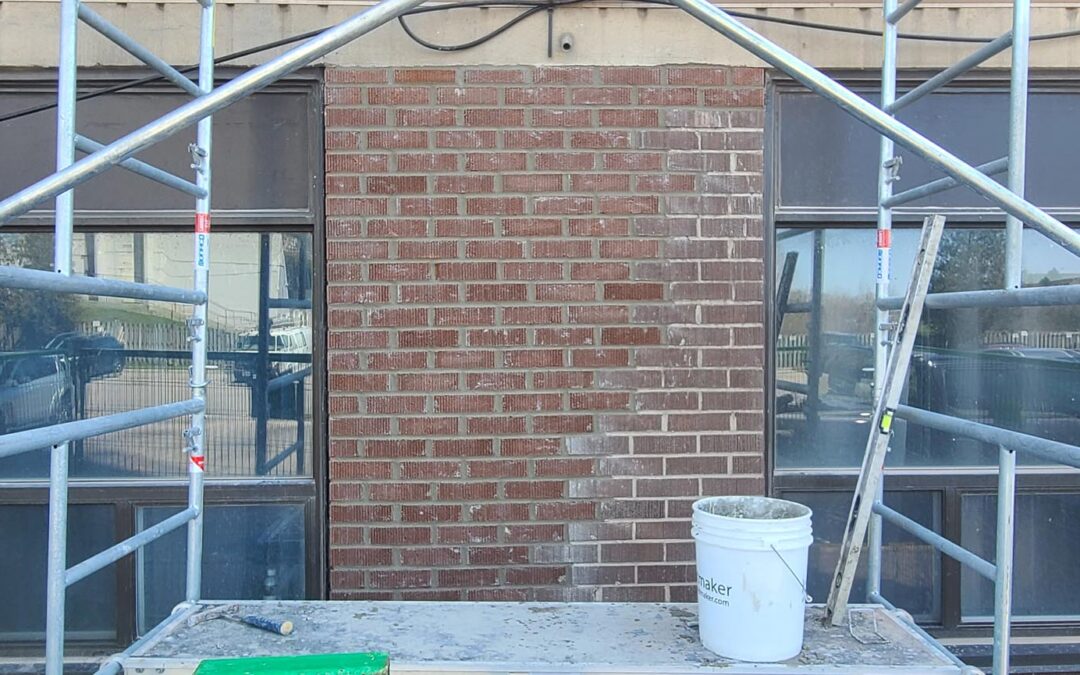
Commercial masonry repair targets damaged brick, concrete, mortar, and stone to ensure structural integrity. This can involve replacing bricks and stone that are damaged or crumbling with material that matches the original. Structural repair, such as installing stainless steel anchors to secure loose bricks, and repairing cracked, bowed, or leaning walls.
Other measures may involve waterproofing and sealing, cleaning dirt, mold, and moss from exteriors, and tuckpointing, or replacing deteriorated mortar joints with new mortar, improving waterproofing and overall stability.
Why Masonry Problems Happen: Common Causes
Masonry issues can often be attributed to a few key problems. Sometimes they are related to aging materials, to environmental conditions, or to poor initial construction. These are the issues that should be considered when first looking at the problems being experienced with your existing masonry.
Water infiltration
The leading cause of masonry problems is moisture, and if left unchecked can result in major structural failures.
- In colder climates, freeze-thaw cycles cause water to enter porous material and cracks in the mortar, and then freeze during temperature drops.
- Clogged gutters, poor soil grading, and downspouts too close to the foundation can lead to improper drainage and can lead to longterm moisture buildup.
- Salt stains can also be a sign of internal moisture leading to subflorescence, where salt crystals grow inside the masonry.
- Water and moisture buildup can cause spalling, the chipping and flaking of bricks and stone.
Aging materials and environmental factors
For materials that are older or have been damaged by environmental factors, a few signs of problems will be evident.
- Material breaks down due to aging, causing erosion and other damage.
- Environmental issues such as pollution, acid rain, and chemical pollutants can affect, in particular, lime-based mortars and stone work.
- Mold, mildew, moss, and other flora that grow in damp and shaded areas can contribute to the breakdown of mortar.
Structural changes and poor construction
A certain amount of movement is natural for buildings, whether through settlement or expansion and contraction of materials. This can cause stress on the masonry over time.
Subsidence, settlement, heave, sway, bouncy floors, bulging walls, cracks, expansion, and contraction are all forms of structural movement. Such movement occurs all the time, and usually its magnitude is so small that it passes unnoticed. Only when distortions and cracks threaten the use or safety of the structure do we need to be concerned.
- Soil shifting from settling, or shrinking, can cause the foundation to move, with cracks appearing in the walls.
- Overloaded walls and poor design can cause buckling or bowing.
- Corroded materials, such as rusting steel, can force bricks to shift outward.
- Using incompatible mortar, such as hard cement, on older buildings can cause cracks and broken bricks.
- Likewise, poorly mixed mortar impacts structural integrity.
Maintenance and neglect
Making certain that ongoing maintenance is performed as a preventative measure is crucial. Some issues that may come from neglect include:
- Lacking ongoing maintenance and ignoring minor problems can lead to major issues in time.
- Small issues, such as minor cracks, can allow water to enter, leading to major structural issues.
- Caulking around windows and doors, and around expansion joints, can lead to water penetration.
Identifying Typical Masonry Issues
There are several visible signs that you should be looking for. These typical masonry issues include:
Mortar deterioration
- Look for water intrusion that results in bricks flaking, shifting, or popping out, and crumbling.
- When seeing cracks in the mortar that turn to powder or disappear, and are damaging the bond between bricks, this is a key sign of mortar joint deterioration.
Structural cracks
- Look for stair-step cracks from foundation movement, horizontal cracks caused by severe structural stress, and vertical cracks indicating settlement or thermal expansion.
Brick spalling, bulging, or bowing walls
- This is the crumbling, peeling, or flaking of the surface of the bricks, and it is usually caused by water and freeze-thaw cycles.
- If finding loose material, it will need to be removed immediately to protect anything below. Temporary patching with a sealant should be followed by a proper repair as soon as possible.
- If you find bulging or bowing walls, this indicates a serious structural issue caused by moisture or poor construction.
Efflorescence
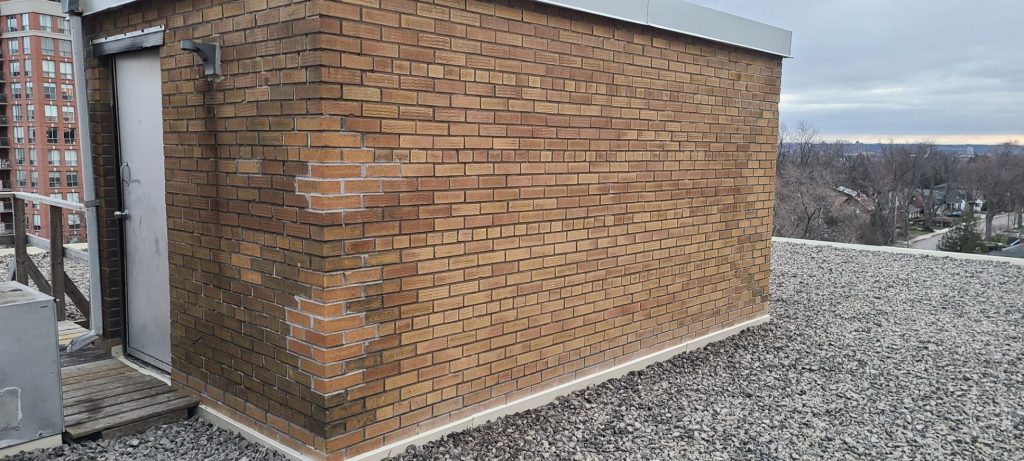
- Signs of white and powdery stains appearing on the surface are caused by water in the masonry leaching to the surface with salt.
Brick and Stone Repair Techniques
These critical techniques should be used to repair brick and stone, ensuring long life for the structure.
Repointing
- This is the process of removing cracked, deteriorated, or crumbling mortar from between bricks or stones, usually at a depth of ¾ to 1 inch. New and durable mortar is then applied.
- This is crucial for restoring structural integrity and preventing water infiltration.
- It also helps in the aesthetic appeal of the building.
Brick and stone replacement
- Severely damaged or cracked bricks or stones are removed and replaced with new, matching materials.
- Stone work may require specialized mortar patching.
Crack repair
- Epoxy or polyurethane injections are used to seal cracks, restoring structural integrity.
Structural reinforcement
- With severe damage, anchors or other forms of reinforcement may be necessary to secure the masonry.
Mortar Joint Repair and Repointing
Repairing and repointing mortar joints involves removing the deteriorated mortar and replacing it with new and matching mortar. This will aid in waterproofing and providing structural integrity.
When to Repair vs Replace Masonry
If the damage is limited to less than 20%, or it is cosmetic, such as small, shallow cracks, repointing or patching repairs can be used for quick fixes.
If the damage is far greater, especially if it’s 40% to 50%, replacing the masonry is advisable. This includes bowing, overall crumbling bricks, or major water damage.
Safety and Compliance Considerations
Key considerations include:
- Personal protective equipment (PPE), such as goggles and face shields, steel-toed footwear, and hard hats, is mandatory.
- Appropriate clothing with long sleeves, plus protective gloves are necessary to prevent caustic burns, especially from wet Portland cement.
- Respiratory protection due to dust from grinding, cutting, and mixing materials containing crystalline silica.
- Bracing for structural stability for any tall wall not supported by the permanent structure.
Hiring Professional Masonry Repair Services
When hiring masonry professionals, some important rules of thumb should be followed. Make certain that you have all the information you need while vetting potential services, for peace of mind, and to ensure a professional job.
- When vetting and researching potential services, ensure they have proper licensing and insurance.
- Always obtain a minimum of 3 quotes from masonry professionals.
- For major jobs, hire professionals with at least 5 years of experience and check their credentials and client reviews.
- Hire a specialized professional for the job. Specialists in bricklaying, stone masonry, or concrete work, for example, can make a big difference in the finished job and in the longevity of the work.
- Make sure you have a written contract with a breakdown of all work to be done, including materials and warranties.
If you are noticing signs that your property needs masonry repair, book an on-site building assessment with Avangarde. To schedule a property assessment, contact our team.